Board Games That Improve Logical Skills
13 July 2026 | 74
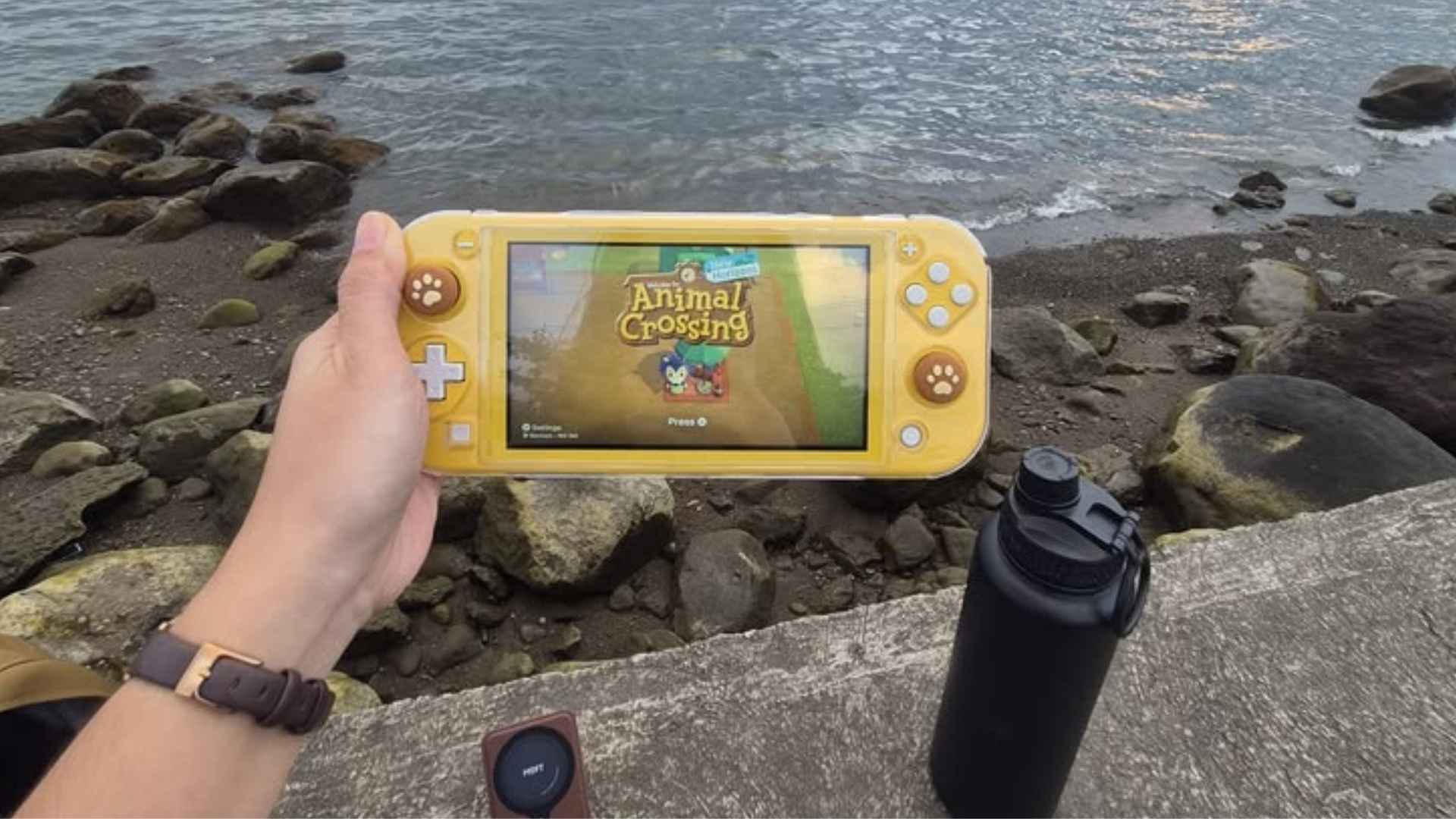
Analog tabletop entertainment has experienced a significant global resurgence as individuals seek meaningful ways to disconnect from digital displays. Beyond offering a simple escape from routine, modern board games serve as highly effective tools for sharpening cognitive functions. Engaging regularly in these structured activities can substantially enhance a player's ability to think critically and solve complex problems logically.
The Connection Between Tabletop Gaming and Deductive Reasoning
Many contemporary strategy board games require players to analyze hidden information and make highly structured deductions based on limited evidence. These mechanics force the human brain to construct conditional hypotheses and systematically eliminate incorrect assumptions during gameplay. As a result, participants naturally develop stronger deductive capabilities that help them break down complex scenarios into manageable parts.
Furthermore, the physical nature of managing game components helps solidify abstract logic concepts through tactile interaction. By moving pieces and tracking visual variables, players establish clearer mental maps of cause-and-effect relationships. This active cognitive engagement builds a reliable foundation for everyday decision-making and practical trouble-shooting processes.
How Spatial Mechanics Enhance Abstract Problem Solving
Tile-placement and grid-based strategy games introduce unique spatial challenges that demand deep forward planning and geometric logic. Players must constantly evaluate how individual geometric choices affect their long-term territorial development and scoring efficiency. This continuous evaluation sharpens fluid intelligence and strengthens the mind's capacity to rotate objects and visualize outcomes internally.
For those looking to explore different forms of analytical challenges, checking out interactive platforms like M88 Bet can offer a compelling change of pace. However, the foundational design principles found in physical tabletop games remain unmatched for developing structured mental patience. Developing these specific abstract visualization skills enables individuals to approach workplace logistics and mathematical concepts with greater efficiency.
Developing Long-Term Tactical Patience and Planning
Succeeding in advanced tabletop strategy requires individuals to look multiple turns ahead while simultaneously predicting their opponents' potential counter-moves. This requirement cultivates a high degree of tactical patience, preventing impulsive actions in favor of calculated choices. Gamers quickly learn to weigh immediate smaller rewards against substantial long-term strategic advantages.
This deliberate style of thinking directly mirrors real-world financial planning and corporate strategy management. By practicing resource preservation and risk mitigation in a safe environment, players learn to adapt to sudden changes without losing focus. Ultimately, this disciplined approach teaches the mind to remain calm and objective when confronting complicated professional obstacles.
The Social and Collaborative Dynamics of Shared Logic
Cooperative board games introduce a unique dynamic where multiple participants must combine their analytical skills to defeat a simulated system. These games require open communication, collaborative brainstorming, and the collective evaluation of different tactical paths. Working together to solve a shared puzzle helps individuals appreciate diverse logical approaches and analytical perspectives.
This collaborative environment fosters strong team-building skills and improves interpersonal communication dynamics significantly. When a group collectively deconstructs a difficult problem, everyone involved benefits from the shared intellectual breakthrough. Consequently, cooperative gaming serves as an excellent tool for enhancing group productivity and developing corporate synergy.